Leading Roofing Services: Full-Service Solutions Offered by Expert Roofers
Professional roofing solutions are essential for preserving the structural soundness of any building. Skilled roofing contractors deliver multiple options, ranging from minor fixes to complete roof installations, addressing various issues that can compromise safety and aesthetics. Comprehending these offerings is crucial for property owners looking to safeguard their assets. However, numerous individuals might ignore key considerations when choosing appropriate roofing solutions. What should one consider to ensure a sound decision?
Grasping the Value of High-Quality Roofing Services
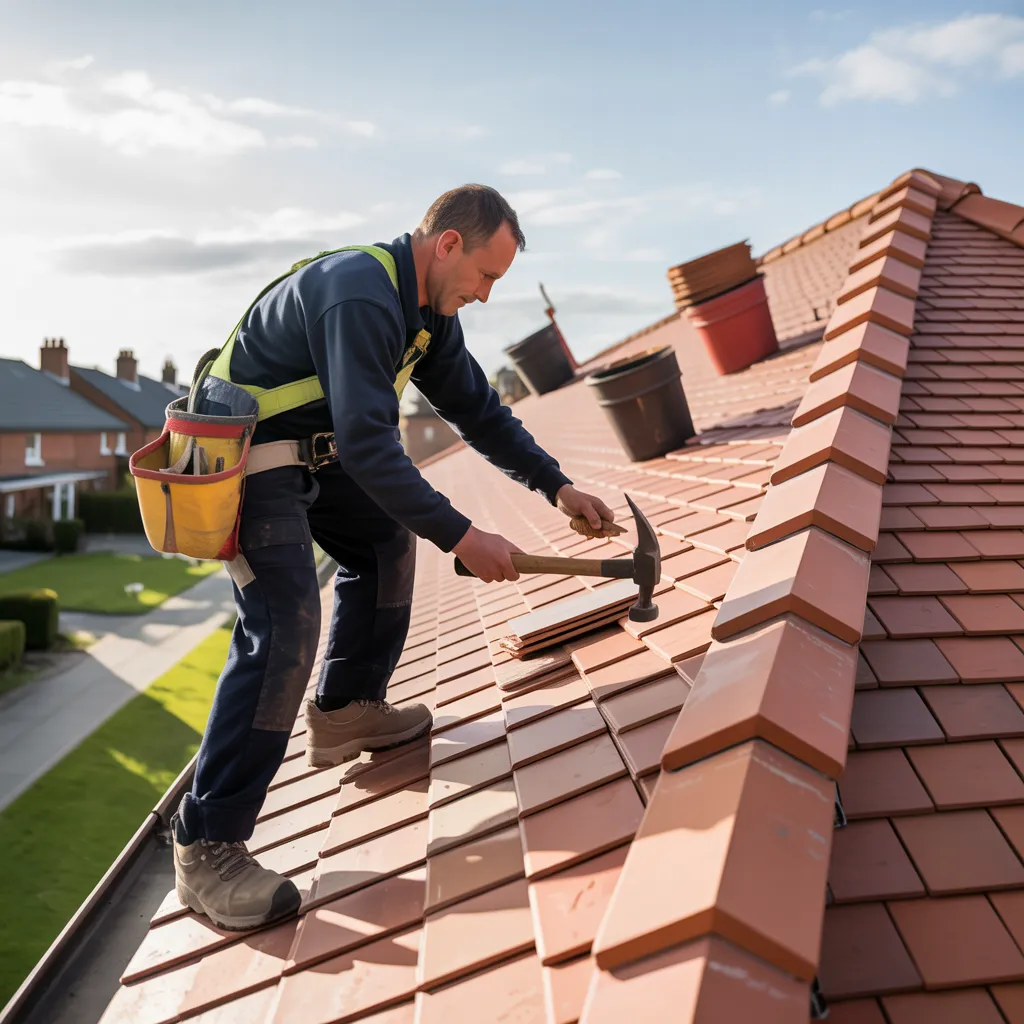
Expert roofing solutions are vital for maintaining the longevity and safety of a building. A properly maintained roof shields from weather conditions, such as rain, snow, and harsh sunlight, which can result in significant structural damage if left untreated. Furthermore, professional roofing solutions contribute to energy efficiency, serving to regulate indoor temperatures and reduce utility costs. Professional roofers have the skills and equipment essential for correct installation, maintenance, and repairs, confirming that roofing materials function at peak efficiency. Additionally, a dependable roofing system boosts a property's visual attractiveness and property worth. By investing in expert roofing services, property owners not only secure their investments but also establish a healthy and secure living or working environment for occupants.
Typical Roofing Concerns That Need Professional Assistance
Roofing installations can face a variety of common problems that demand professional intervention. One frequent issue is roof leaks, which can arise from damaged shingles, flashing, or worn seals. Moreover, improper installation or natural degradation can result in sagging roofs, compromising structural integrity. Another common issue involves clogged gutters, which can create water buildup and subsequent damage to the roofing materials. Additionally, homeowners may experience issues with moss and algae growth, which can erode shingles and lead to further complications. In addition, insufficient ventilation can lead to excessive heat and moisture accumulation, fostering an environment for mold growth. Recognizing these problems early and seeking professional help can prevent more extensive damage and costly repairs in the long run.
Expert Roof Repairs: Resolving Leaks and Damage Effectively
Countless homeowners confront the overwhelming challenge of addressing roof leaks and damage, which can cause serious structural problems if left ignored. Qualified roofing professionals provide critical repair services, identifying the primary origin of leaks and damage with accuracy. They employ innovative techniques and materials to guarantee that repairs are not only effective but also durable. Common repair tasks include fixing leaks, replacing damaged shingles, and fortifying vulnerable areas. Moreover, professional roofers conduct extensive inspections to prevent future concerns, giving peace of mind to homeowners. By giving priority to quick and expert repairs, homeowners can shield their residence's integrity and lengthen the lifespan of their roofs, ultimately saving find this resource on expensive future repairs and replacements.
When You Should Think About a Roof Replacement?
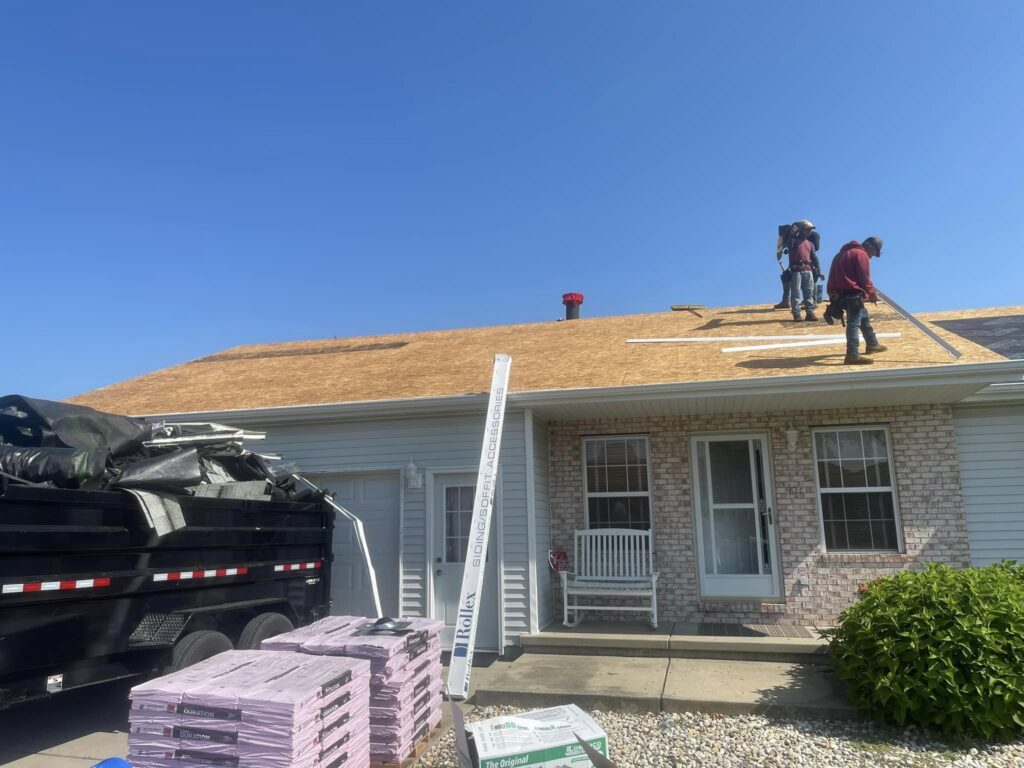
When assessing the need for a roof replacement, several key factors should be considered. The age of the roof, visible signs of damage, and concerns regarding energy efficiency can all suggest that a replacement may be necessary. Understanding these elements can help homeowners make knowledgeable decisions about their roofing needs.
The Roof's Age
Though a carefully maintained roof can remain functional for many years, age remains a key factor in deciding whether a replacement is required. Generally, asphalt shingles can last between 20 and 30 years, while metal roofs can remain viable up to 50 years or beyond. As roofs grow older, their capacity to resist environmental stresses diminishes, resulting in potential problems. Homeowners should think about a roof replacement when it approaches the end of its anticipated lifespan, even if visible damage is not apparent. This proactive approach serves to prevent more severe complications down the road. Moreover, local climate conditions, like heavy snowfall or intense heat, can greatly affect a roof's longevity, making regular examinations essential for well-informed decision-making about replacements.
Symptoms Of Damage
Property owners should remain attentive for signs of damage that may signal the need for a roof replacement. Typical signs include missing or cracked shingles, which expose the underlying structure to moisture. Moreover, twisted or distorted shingles point to deterioration, while granules accumulating in gutters may represent notable wear. Evidence of water stains or mold on interior surfaces indicate potential leaks, necessitating immediate attention. A sagging roofline can also point to stability problems requiring urgent evaluation. Additionally, if the roof is reaching or has passed its expected lifespan, proactive measures should be considered. By detecting these signs early, homeowners can make educated decisions about their roofing needs, potentially steering clear of costly repairs down the line.
Energy Efficiency Concerns
What impact does an aging roof have on energy efficiency? An aging roof can significantly compromise a home's energy efficiency. Over time, components degrade, creating leaks and insufficient insulation, which enables conditioned air to escape and external elements to seep in. This inefficiency requires heating and cooling systems to work harder, leading to higher energy bills. Homeowners may detect fluctuating indoor temperatures and increased energy consumption, suggesting that the roof's performance is declining. When these signs become visible, it is essential to consider a roof replacement. A new roofing system with modern materials and techniques can increase insulation, reduce energy costs, and extend the roof's lifespan, ultimately contributing to a more sustainable and cost-effective home environment.
Types of Roofing Materials: Picking Appropriate Roofing Services for Your Residence
While choosing roofing materials, homeowners need to consider both typical choices and their durability. Numerous materials, such as options like asphalt shingles, metal, and tile, deliver diverse advantages and lifespans. Understanding these factors is critical for making an informed decision that works for both the home and the local climate.
Popular Roofing System Materials
Choosing the appropriate roofing material is vital for guaranteeing durability and aesthetic appeal in residential properties. Homeowners usually choose from several common roofing materials, each offering distinct benefits. Asphalt shingles are among the most popular due to their cost-effectiveness and versatility. Metal roofing, known for its long lifespan and energy efficiency, is becoming popular in various climates. Clay and concrete tiles provide a distinctive look and exceptional resilience, making them perfect for warmer regions. Wood shakes or shingles present a natural aesthetic, though they may demand more maintenance. Finally, slate roofing, while more expensive, offers a classic appearance and remarkable longevity. Understanding these options assists homeowners in making informed decisions about their roofing needs.
Factors Affecting Material Durability
Even though homeowners typically emphasize aesthetic appeal and cost, the endurance of roofing materials is a vital factor that must not be overlooked. Picking the right material can considerably impact a roof's lifespan and performance. Common options include asphalt shingles, metal, tile, and slate, each delivering different levels of durability against weather elements. Asphalt shingles, while economical, generally last 15-30 years, whereas metal roofs can last up to 50 years or more. Clay and concrete tiles provide remarkable durability and resistance to fire, but their weight demands appropriate structural support. House owners should evaluate local climate conditions and potential wear factors when making their decision, as these factors will eventually affect both maintenance demands and replacement frequency over time.
The Importance of Regular Roof Inspections for Homeowners
Consistent roof inspections are vital for homeowners aiming to preserve their investment and maintain the overall condition of their property. These inspections allow for the early detection of potential concerns, such as leaks, damaged shingles, or structural issues. By detecting problems before they worsen, homeowners can avoid costly repairs and extend the lifespan of their roofs. Moreover, regular inspections present an opportunity to evaluate the overall condition of the roofing system, ensuring that it adheres to local codes and safety standards. Many insurance companies also favor homeowners who commit to routine inspections, potentially resulting in lower premiums. Ultimately, prioritizing roof inspections fosters peace of mind, enabling homeowners to focus on other aspects of their property without stressing over unforeseen roofing concerns.
How Energy-Efficient Roofing Solutions Save You Money and Protect the Environment
Energy-efficient roofing solutions not only help homeowners reduce their utility bills but also contribute significantly to environmental conservation. These roofing systems frequently feature reflective surfaces that decrease heat absorption, resulting in lower air conditioning needs during warm seasons. Consequently, this reduction in energy consumption leads to decreased greenhouse gas emissions, helping the planet. Furthermore, energy-efficient roofs can improve the longevity of a home by delivering better insulation and protection against severe climate events. Homeowners can also receive potential tax incentives or rebates available for installing such eco-friendly options. All things considered, investing in energy-efficient roofing solutions fosters a sustainable living environment while simultaneously lowering costs, making it a wise decision for the discerning homeowner.
Increasing Curb Appeal Through Attractive Roofing Alternatives
Attractive roofing selections play a significant role in improving a home's curb appeal. Homeowners are progressively exploring current roofing materials, together with innovative color and design options, to make their properties stand out. These choices not only elevate aesthetic appeal but also reflect personal style and modern trends.
Popular Roofing System Solutions
When property owners look to improve their homes' exterior attractiveness, fashionable roofing materials have surfaced as a pivotal factor in creating a modern aesthetic. Metal roofing, recognized for its longevity and smooth look, has gained popularity, delivering a contemporary touch while requiring minimal maintenance. Slate tiles, with their natural sophistication, deliver a timeless appeal and are more and more favored for luxury homes. Furthermore, sustainable options such as recycled shingles are becoming trendy, reflecting a homeowner's commitment to sustainability. Cedar shakes also remain fashionable, exuding warmth and charm that complements diverse architectural styles. In the end, the choice of roofing material can significantly influence a property's overall aesthetic, making it vital for homeowners to stay informed about current trends.
Color and Design Options
When selecting roofing materials, homeowners frequently miss the significant impact of color and design choices on their property's curb appeal. A well-chosen roof color can complement building facades, landscaping, and architectural styles, boosting overall aesthetics. For instance, neutral tones create a timeless look, while bold colors can make a striking statement. Additionally, diverse roofing materials offer distinct textures and patterns that can elevate visual interest. Homeowners should also consider regional trends and neighborhood styles to ensure cohesion within the community. Consulting a professional roofer can help with selecting the right combination of color and design, ultimately increasing a home's value and attractiveness. Well-considered choices in roofing can transform an ordinary house into a standout property.
What Should You Look for in a Roofing Contractor?
In seeking a trustworthy roofing contractor, what key qualities should a homeowner prioritize? First and foremost, a contractor's license and insurance are critical, as they indicate professionalism and protect homeowners from liability. Experience in the roofing industry is likewise essential; established contractors often have a solid track record of quality work. Homeowners should search for references and reviews to gauge customer satisfaction and reliability. Furthermore, a good contractor will provide complete written estimates, ensuring transparency in pricing and scope of work. Communication skills shouldn't be underestimated, as clear communication fosters trust and smooth project execution. To conclude, a solid warranty on workmanship and materials reflects confidence in the services offered, giving homeowners confidence about their investment.
Financial Planning for Roofing Services
Choosing a reputable roofing contractor is only the first step in handling a roofing project; effective budgeting is just as crucial. Homeowners should start by securing multiple quotes to compare expenses and services. It is essential to factor in both materials and labor when calculating expenses. Furthermore, allocating a contingency fund for unanticipated repairs or additional costs can prevent financial strain. Homeowners need to also explore potential financing options if immediate funds are not available. Understanding local building codes and permitting fees can further optimize the budget. Finally, consistent communication with the contractor throughout the project ensures alignment with the budget, reducing the risk of unforeseen expenses. By prioritizing a carefully planned budget, homeowners can achieve a successful roofing project without exceeding their financial limits.
Common Questions
Which Warranties Are Commonly Provided by Roofing Contractors?
Roofing professionals generally provide warranties that consist of material coverage for defects along with workmanship guarantees for the installation quality. These guarantees differ in duration and scope, offering homeowners protection from future roofing-related problems.
How Much Time Does a Roofing Project Typically Take?
A typical roofing project takes anywhere from a couple of days to multiple weeks, contingent upon factors such as the scope of work, complexity, weather conditions, and the type of roofing materials used by the contractors involved.
Can I Stay in My Home During Roof Repairs?
While performing roof repairs, homeowners are usually able to stay in their homes, although noise and disturbances are possible. It is wise to communicate with the roofing contractor to determine safety levels and comfort during the repair process.
What Should I Do if My Roof Is Damaged During a Storm?
If a roof is damaged during a storm, the homeowner should evaluate the damage, document it with photos, notify their insurance company, and retain a qualified roofing professional for repairs to ensure proper restoration and safety.
Can I Finance My Roofing Services?
Numerous roofing businesses offer financing options, including payment plans, loans, or credit services. Homeowners are advised to inquire about these solutions to handle costs efficiently and guarantee timely repairs or replacements after damage occurs.